
Utilizing a simulation of offshore drilling is yet another method that can be utilized to finish the process of identifying potential problems that may emerge. This method can be used to identify potential problems that may arise. When companies participate in a variety of different simulations, they give themselves the opportunity to identify potential dangers and develop strategies to eliminate or lessen the impact of those dangers. This gives the companies a competitive advantage in the marketplace.
When compared to the performance of an individual when working alone, the output of an individual when working in a team environment is guaranteed to be superior. In order for businesses to be able to process such a significant quantity of information all at once, they require the assistance of suitable tools that will enable them to issue warnings and anticipate potential outcomes.
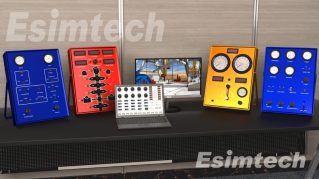
To summarize, the underground operation simulator has many applications, including miner training, safety training, equipment testing, operation planning, and decision support. It is a powerful tool for skill training, safety training, evaluation, and optimization of mine operations, which makes Drilling Simulation Systems an invaluable resource for the mining industry.
The use of www.esimtech.com in training allows for the practice of operations to be carried out without the presence of any actual risk. This improves efficiency. Utilization of resources in an effective manner: Given that the simulator is capable of performing the duties of a stand-in for a real drilling rig, it is possible to cut costs that are associated with the process of training by making use of the simulator. These expenses consist of those connected to the use of fuel, the maintenance of equipment, and the leasing of space.
In the oil and gas industry, workover and well intervention are two common terms that are often used interchangeably. While both involve operations on existing wells, they are distinct in their objectives, methods, and tools. This essay will explore the differences between workover and well intervention, highlighting their unique features and applications. We will discuss the key aspects of each, including their objectives, equipment and tools used, and procedures involved.