
If you are looking to Buy Adderall 30mg Online, it is essential to understand ADHD treatment medications thoroughly. ADHD, or Attention Deficit Hyperactivity Disorder, is a neurodevelopmental disorder that affects millions of people worldwide.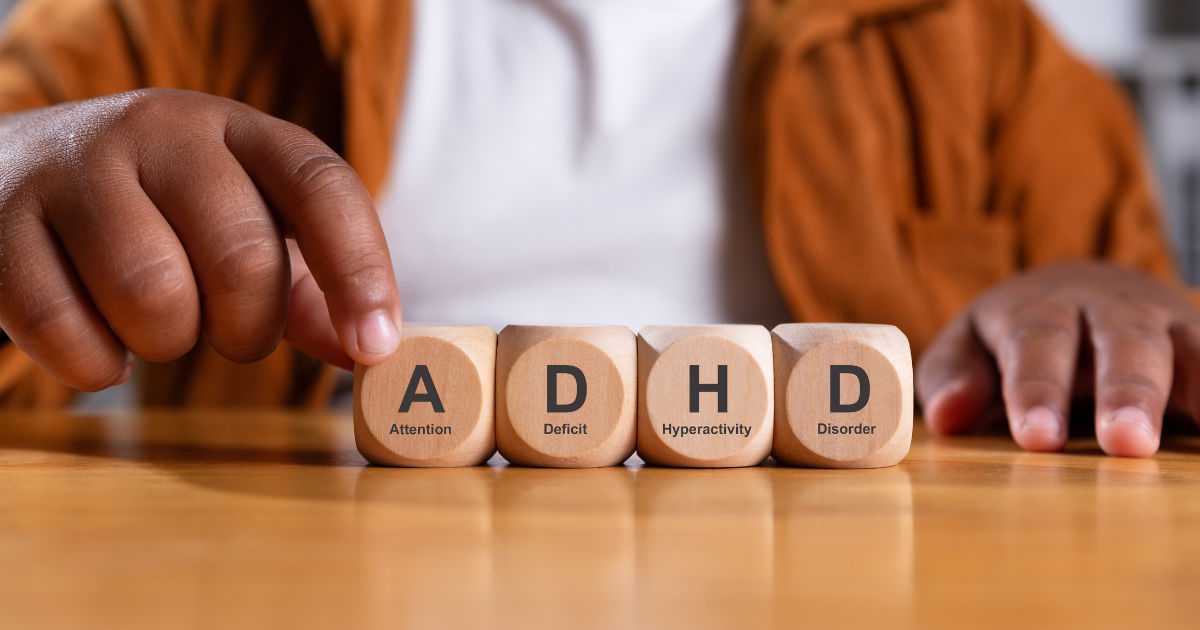
It can impact focus, organization, impulse control, and daily functioning. While lifestyle changes and behavioral therapies are helpful, medication often plays a central role in managing Buy Adderall 30mg Online effectively.
This guide will provide a comprehensive overview of ADHD medications, their types, how they work, side effects, safety precautions, and the steps to obtain them safely. By the end, you will have a clear understanding of the available treatment options and how to use them responsibly.
ADHD
ADHD is more than just being inattentive or hyperactive. It is a disorder that affects the brain's executive functions, which are responsible for attention, working memory, impulse control, and emotional regulation. Symptoms usually appear in childhood, but ADHD can continue into adulthood. Common signs include:
-
Difficulty focusing on tasks
-
Forgetfulness and disorganization
-
Impulsive behaviors
-
Excessive talking or fidgeting
-
Trouble completing tasks
The severity and type of symptoms can vary, and ADHD is generally classified into three types:
-
Predominantly Inattentive Presentation: Difficulty paying attention, easily distracted.
-
Predominantly Hyperactive-Impulsive Presentation: Hyperactivity, restlessness, and impulsive decisions.
-
Combined Presentation: A mix of inattention and hyperactive-impulsive behaviors.
Understanding the type of ADHD is critical when selecting the most effective medication plan.
ADHD Medication Overview
ADHD medications are designed to manage symptoms by affecting brain chemicals, particularly dopamine and norepinephrine. There are two main categories:
-
Stimulant Medications
-
Non-Stimulant Medications
Each type has its own benefits, side effects, and considerations.
Stimulant Medications
Stimulants are the most commonly prescribed ADHD medications. Despite their name, they actually help calm hyperactivity and improve focus in individuals with ADHD. Stimulants work by increasing dopamine and norepinephrine levels in the brain.
Popular stimulant medications include:
-
Methylphenidate-based drugs: Ritalin, Concerta
-
Amphetamine-based drugs: Adderall, Vyvanse
These medications can be short-acting, lasting 4-6 hours, or long-acting, lasting up to 12 hours.
Benefits:
-
Improved focus and attention
-
Reduced impulsive behavior
-
Better organization and task completion
Side Effects:
-
Insomnia
-
Decreased appetite
-
Increased heart rate
-
Anxiety or irritability
It is essential to monitor side effects and work closely with a healthcare provider to adjust dosages safely.
Non-Stimulant Medications
Non-stimulant medications are an alternative for individuals who cannot tolerate stimulants or have certain medical conditions. These medications work differently, often affecting norepinephrine levels.
Common non-stimulant medications:
-
Atomoxetine (Strattera)
-
Guanfacine (Intuniv)
-
Clonidine (Kapvay)
Benefits:
-
Lower risk of abuse
-
Can be used alongside stimulants
-
Often safer for patients with heart conditions
Side Effects:
-
Fatigue
-
Dry mouth
-
Dizziness
-
Mood swings
Non-stimulants may take longer to show effects compared to stimulants but can still be very effective for managing ADHD symptoms.
How ADHD Medications Work
ADHD medications primarily target neurotransmitters in the brain. Dopamine and norepinephrine play key roles in attention, motivation, and executive functioning. When these chemicals are low or unbalanced, ADHD symptoms worsen.
Mechanism of Action:
-
Stimulants: Increase dopamine and norepinephrine in the brain's prefrontal cortex, enhancing focus and impulse control.
-
Non-Stimulants: Modulate norepinephrine or affect other brain pathways to improve attention and reduce hyperactivity.
Understanding how these medications work helps patients and caregivers choose the right treatment plan and manage expectations.
Choosing the Right ADHD Medication
Selecting the best medication depends on several factors:
-
Age and Weight: Some medications are only approved for certain age groups.
-
Symptom Type: Inattentive vs. hyperactive-impulsive symptoms may respond differently.
-
Medical History: Heart conditions, anxiety, or sleep disorders can affect medication choice.
-
Lifestyle: Daily schedules and personal routines influence whether short-acting or long-acting medications are better.
-
Side Effect Tolerance: Some individuals tolerate side effects better than others.
A healthcare provider will often start with a low dose and gradually adjust based on effectiveness and tolerance.
Safe Use of ADHD Medications
ADHD medications, especially stimulants, can be habit-forming if misused. Safe use includes:
-
Taking medication exactly as prescribed
-
Avoiding sharing medication
-
Monitoring for side effects
-
Regular check-ins with a healthcare provider
Medication misuse can lead to serious health issues, including heart problems, anxiety, and dependency. Always follow professional guidance.
Common ADHD Medications Explained
Here’s a closer look at some commonly prescribed ADHD medications:
Adderall
-
Type: Stimulant (amphetamine-based)
-
Forms: Immediate-release, extended-release
-
Use: Improves focus, attention, and impulse control
-
Side Effects: Insomnia, loss of appetite, dry mouth
-
Notes: Often considered first-line treatment for ADHD
Ritalin / Concerta
-
Type: Stimulant (methylphenidate-based)
-
Forms: Short-acting, long-acting
-
Use: Enhances attention span and task completion
-
Side Effects: Nervousness, insomnia, appetite loss
Strattera
-
Type: Non-stimulant
-
Use: Reduces inattention and hyperactivity
-
Side Effects: Nausea, fatigue, mood changes
-
Notes: Lower risk of abuse, useful for patients sensitive to stimulants
Intuniv / Kapvay
-
Type: Non-stimulant
-
Use: Helps with hyperactivity, emotional regulation
-
Side Effects: Drowsiness, low blood pressure
-
Notes: Often used alongside stimulants for better symptom control
Monitoring Medication Effectiveness
Regular monitoring is crucial to ensure ADHD medications work effectively. This includes:
-
Tracking improvements in focus, task completion, and impulsivity
-
Recording side effects
-
Adjusting dosage under medical supervision
-
Evaluating academic, work, and social performance
Keeping a symptom diary can help patients and caregivers notice patterns and provide valuable feedback to doctors.
ADHD Medication and Lifestyle
Medication works best when combined with lifestyle strategies. These include:
-
Healthy Diet: Balanced meals improve energy and concentration.
-
Regular Exercise: Physical activity enhances brain function.
-
Sleep Hygiene: Adequate sleep improves focus and emotional regulation.
-
Behavioral Therapy: Skills training, organization strategies, and counseling complement medication.
-
Routine: Structured schedules reduce distractions and improve productivity.
Medications are not a cure but a tool. Integrating them with lifestyle and behavioral strategies ensures better long-term outcomes.
Special Considerations for Adults
ADHD is not limited to children. Adults often face challenges in work, relationships, and daily responsibilities. Medication can be particularly helpful but must be carefully managed due to:
-
Work schedules
-
Substance use history
-
Coexisting mental health conditions (e.g., anxiety, depression)
Adults should consult qualified healthcare providers to tailor treatment plans, including dosage and medication type, to meet their needs.
ADHD Medication During Pregnancy and Breastfeeding
Special caution is necessary for pregnant or breastfeeding individuals:
-
Some stimulants may affect fetal development
-
Non-stimulants may have fewer risks
-
Always consult a healthcare provider before continuing or starting ADHD medication during pregnancy
Ordering ADHD Medication Online Safely
In the digital age, many people prefer to Buy Adderall 30mg Online for convenience. However, safety is critical. Here are steps to ensure secure and legal online medication access:
-
Use Licensed Pharmacies: Only purchase from certified and licensed online pharmacies.
-
Require Prescription: Legitimate pharmacies will ask for a valid prescription from a licensed healthcare provider.
-
Check Reviews and Accreditation: Look for online reviews, pharmacy accreditation, and certifications like NABP (National Association of Boards of Pharmacy).
-
Avoid Extremely Low Prices: Very cheap offers may indicate counterfeit medication.
-
Consult Your Doctor: Discuss online purchases with your healthcare provider to ensure dosage accuracy and safety.
Buying ADHD medication online without proper checks can lead to counterfeit drugs, improper dosages, and severe health risks. Following these steps ensures safety and efficacy.
Potential Risks of ADHD Medications
While effective, ADHD medications carry potential risks:
-
Cardiovascular Issues: High blood pressure or heart rate increase, especially in those with preexisting conditions.
-
Mental Health Effects: Anxiety, irritability, and mood swings may occur.
-
Dependency: Stimulants have abuse potential if misused.
-
Sleep Disturbances: Insomnia is common with stimulants.
Regular checkups and honest communication with healthcare providers mitigate these risks.
Myths About ADHD Medications
There are many misconceptions surrounding ADHD medications:
-
“They make you smarter” – False. Medications improve focus, not intelligence.
-
“Only kids need ADHD medication” – False. ADHD often persists into adulthood.
-
“Stimulants are dangerous for everyone” – False. When used as prescribed, stimulants are generally safe.
Debunking myths helps patients and families make informed decisions.
Alternative and Complementary Approaches
In addition to medication, some strategies can help manage ADHD symptoms:
-
Cognitive Behavioral Therapy (CBT)
-
Mindfulness and meditation
-
Organizational tools (planners, apps)
-
Nutritional support (omega-3 fatty acids)
-
Support groups and coaching
These approaches complement medication, providing a holistic ADHD management plan.
Conclusion
Understanding ADHD and its medications is essential for effective treatment. Whether you are considering stimulant medications like Adderall or non-stimulants such as Strattera, informed choices, professional guidance, and safe practices are critical. Medication works best when combined with lifestyle changes, behavioral strategies, and regular monitoring.
If you are planning to Buy Adderall 30mg Online, ensure you use licensed pharmacies, follow your prescription accurately, and consult healthcare providers regularly. Proper management of ADHD medications can significantly improve focus, productivity, and quality of life, empowering individuals to thrive academically, professionally, and personall