
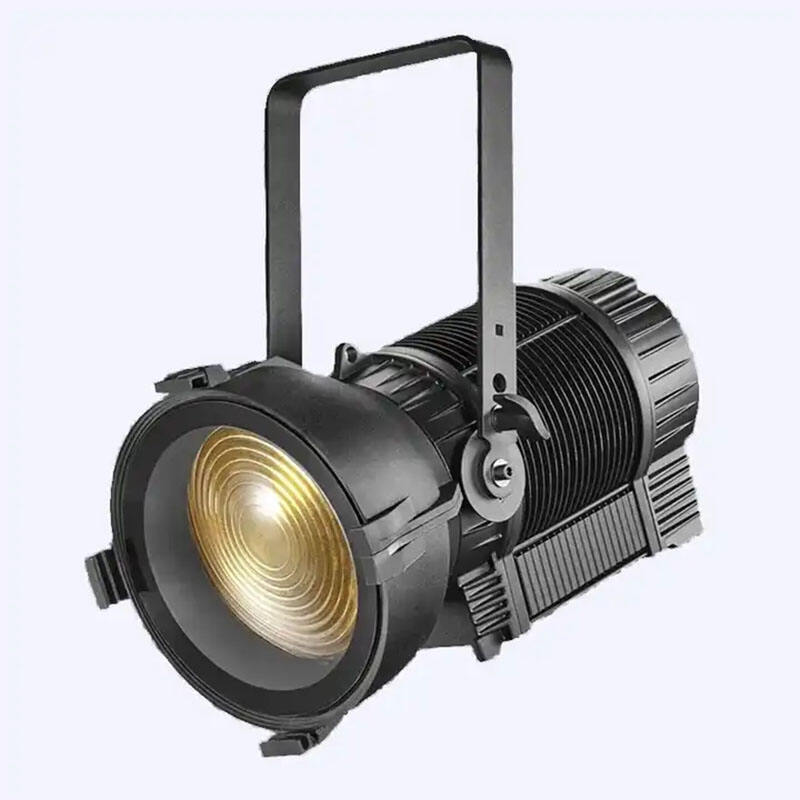
In the world of lighting, the shift from traditional incandescent and fluorescent bulbs to energy-efficient LED lights has been one of the most significant advancements in recent years. As concerns over energy consumption and environmental impact grow, LEDs have emerged as the superior choice for both residential and commercial lighting. But what exactly makes LEDs so much better than traditional bulbs? Let’s explore the reasons why the future is bright with LEDs.
1. Energy Efficiency
One of the most compelling reasons to choose LED lighting over traditional bulbs is energy efficiency. Traditional incandescent bulbs are notorious for wasting energy in the form of heat. Only about 10% of the energy in an incandescent bulb is converted into light, while the remaining 90% is lost as heat. In contrast, Beam Light Series convert more than 80% of their energy into light, significantly reducing electricity consumption.
For example, a 10-watt LED bulb can produce the same amount of light as a 60-watt incandescent bulb. Over time, this translates into significant savings on energy bills. In fact, switching to LEDs can reduce lighting energy usage by up to 75%, a difference that has both financial and environmental benefits.
2. Longer Lifespan
Traditional bulbs don’t last nearly as long as LEDs. Incandescent bulbs typically last around 1,000 hours, and even fluorescent lights, though longer-lasting, only reach around 10,000 hours. On the other hand, an LED light can last anywhere between 25,000 to 50,000 hours, making it an incredibly cost-effective choice in the long run.
This durability means that LEDs need to be replaced far less often than traditional bulbs, saving both time and money. Additionally, fewer replacements mean fewer discarded bulbs, contributing to a decrease in waste and a more sustainable lifestyle.
3. Durability and Safety
LED lights are also much more durable than their traditional counterparts. Unlike incandescent and fluorescent bulbs, which are fragile and can break easily, LEDs are made of solid-state materials. This makes them less susceptible to damage from shocks, vibrations, and extreme temperatures. Their robust construction also means they are less likely to burn out or fail suddenly.
In terms of safety, LEDs are a safer choice. Traditional incandescent bulbs get very hot and can pose a fire hazard, especially in areas with poor ventilation. Since LEDs generate far less heat, they present a significantly lower risk of causing fires. Additionally, LEDs don’t contain hazardous substances like mercury, which is found in many fluorescent lights.
4. Environmental Benefits
The environmental advantages of LEDs are clear. By consuming less energy, LEDs contribute to a reduction in greenhouse gas emissions. Since the majority of the world’s electricity is still generated from fossil fuels, every kilowatt-hour saved by using LEDs helps reduce the carbon footprint.
Furthermore, the long lifespan of LEDs means fewer light bulbs end up in landfills, helping to curb the growing problem of electronic waste. Unlike incandescent and fluorescent bulbs, LEDs are fully recyclable and free from toxic materials, making them a greener alternative to traditional lighting options.
5. Better Light Quality
LED technology has come a long way in terms of light quality. Early LEDs had a reputation for emitting harsh, cold light, but modern LEDs are available in a wide range of color temperatures, from warm white to cool daylight. This allows consumers to choose the perfect lighting for their needs, whether it’s for cozy home interiors or bright, clear lighting in offices or workspaces.
Moreover, LEDs provide better color rendering, meaning they show colors more accurately compared to traditional bulbs. This makes them ideal for settings where color accuracy is important, such as art studios or retail stores.
Conclusion
LED lights have revolutionized the way we light our homes and businesses, offering energy efficiency, longevity, safety, and environmental benefits that traditional bulbs simply can’t match. As technology continues to improve, the future of lighting looks even brighter. With energy costs rising and the need for sustainable solutions becoming more urgent, LEDs are poised to play a central role in reducing our carbon footprint and creating a more efficient, eco-friendly world. For anyone still relying on outdated lighting, it’s clear: the future is bright with LEDs.